Most Bang For The Buck! – The Random Wire Antenna

The simplest antenna you can make/install? Run a speaker wire out the window and clip it on your radio – and you are in business. I have used random wire antennas almost exclusively since the early 1960’s – they are simple /cheap/easy – and they work!

If you want to do a wire right – there are some things to consider . . .

What to do with both ends – temp or long term – how far off the ground – has to be at least high enough to be out of the way!

This is my solution to a long term / permanent random wire . . .

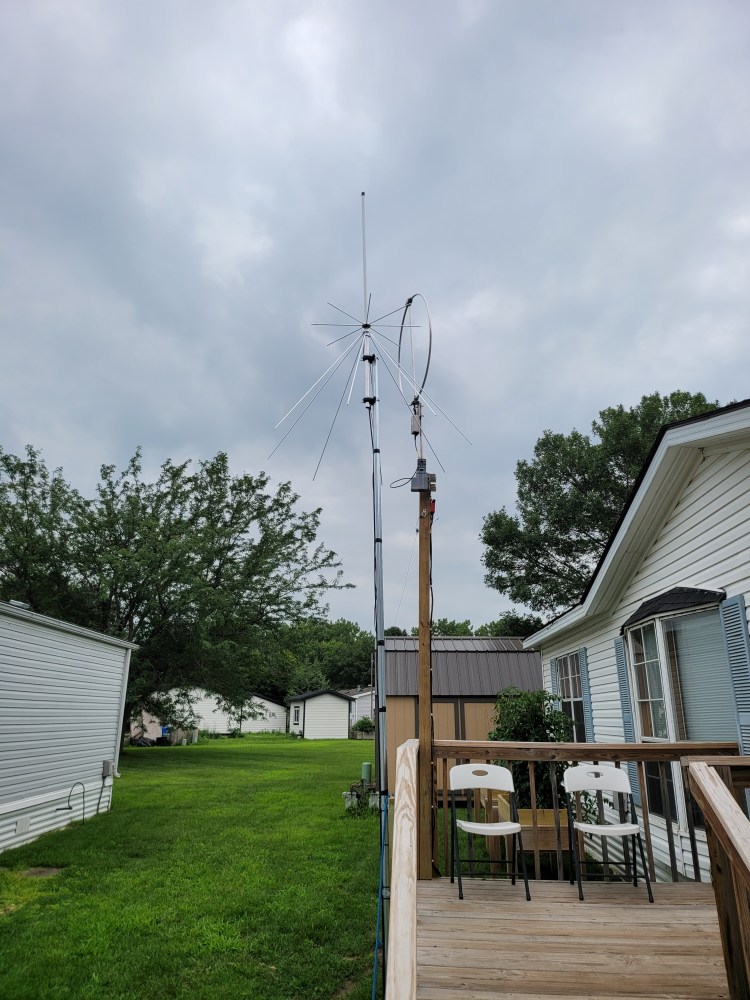
It attaches to the 4×4 that the rotator / loop antenna combo lives on @ about 13 feet off the ground . . .
The wire runs roughly east / west – about 38ft 4inches – between the insulators – ends at about 11 feet or so above the ground . . .
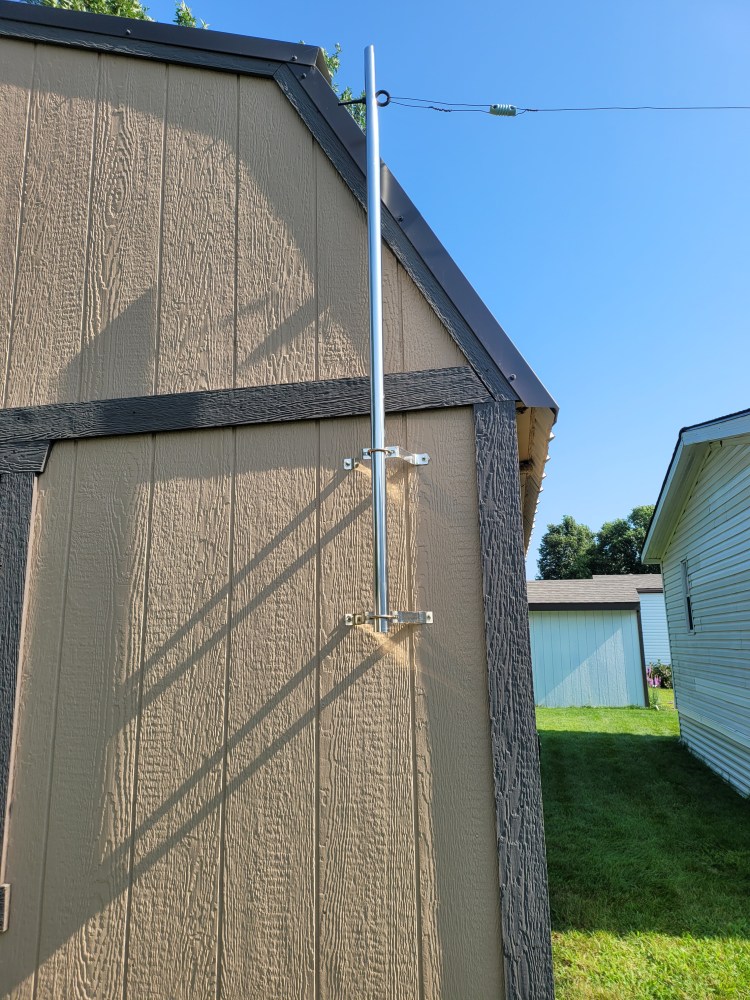
Simple TV antenna mast stand offs – the siding on the shed is an OSB product – no real strength there to attach to – so I went inside and glued and screwed some 2×4 pieces to screw into – yes – it is over built – I could easily put a 10 foot mast on there and hang another antenna at the top if I wanted to deal with an 85 foot run of coax . . .

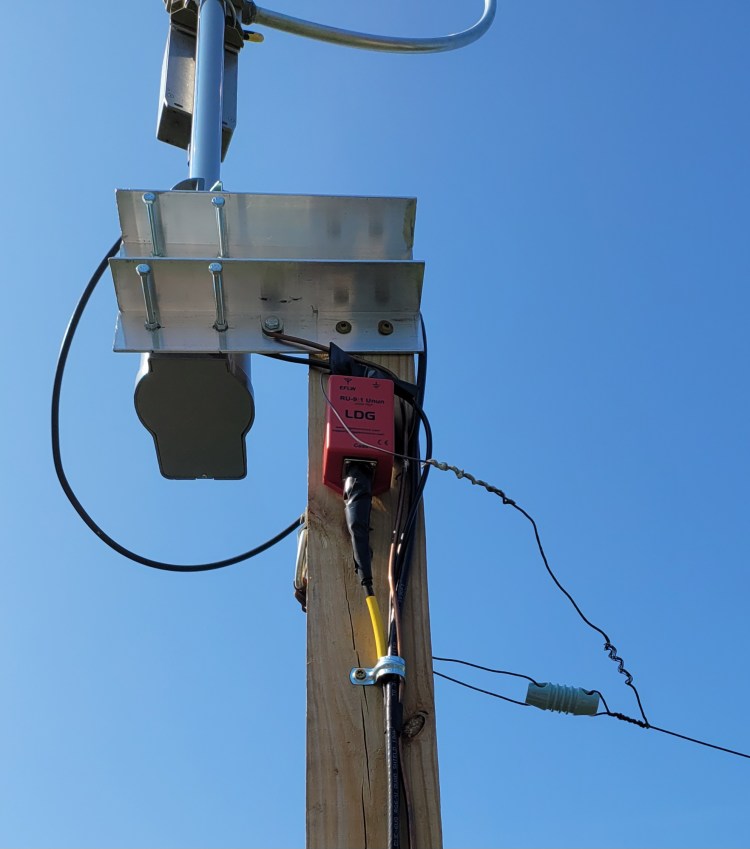
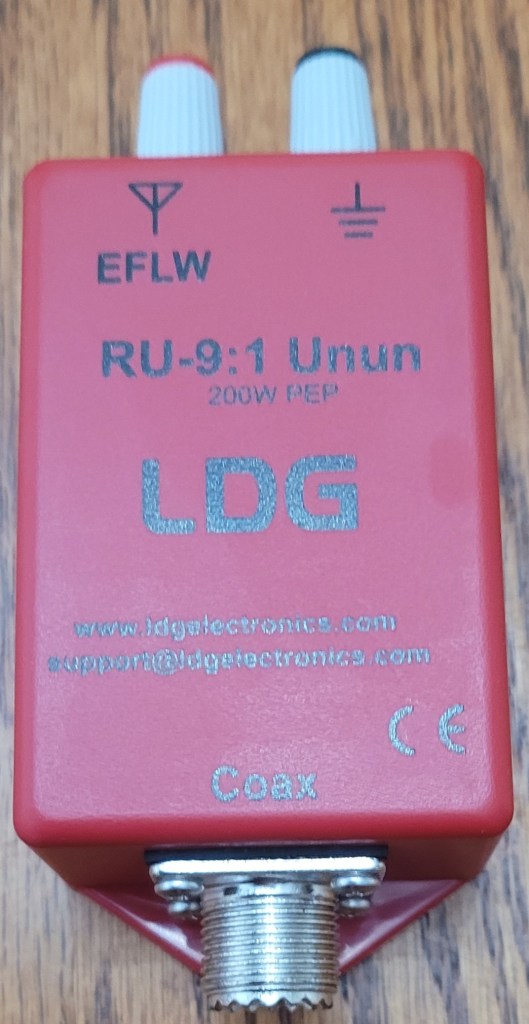
So – when the wire gets to the mast it goes to an LDG 9:1 UNUN – long story short ( and very simplified )- a random wire antenna has roughly 450 ohms of resistance . . . ( But Bruce – the antenna wire only has one end – how can it possibly have 450 ohms of resistance? this is “neither the time nor the place” to dive head first into THAT explanation – there are numerous electrical and radio theory courses out there on the internet – Duck Duck Go is your friend . . .)

. . . and the UNUN converts that to approximately 50 ohms – which is what your radio is wanting to see. The antenna wire attaches to the positive side and your ground side goes to your ground rod.
Then run a ground wire from that ground rod to the ground rod below the entry box – then ground your lightning / surge suppressor to the ground in your entry box – the ground is common to the coax ground side.
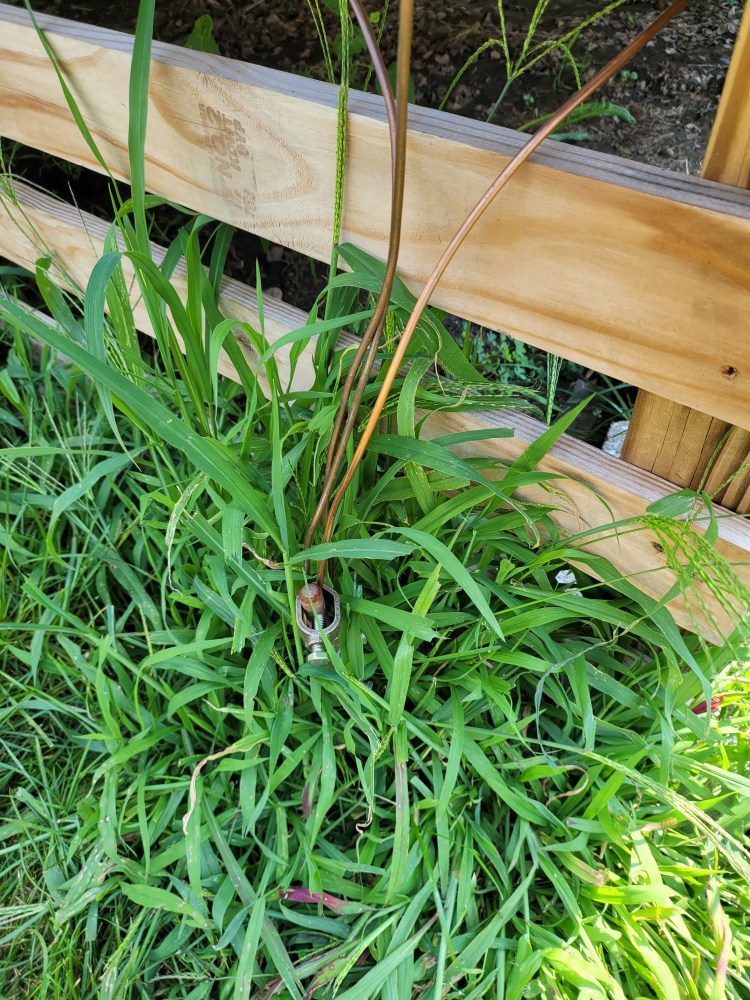
The random wire suppressor is on the lower right in the entry box and everything is grounded to everything and goes straight down to an 8 foot ground rod under the box – both ends of the coax are grounded to an 8 foot ground rod and both of those rods are tied together with 6 gauge single strand copper. So – – – that the electrical potential at both ends of the coax run are plus or minus the same – as well as any stray RF energy picked up by the shielding on the coax is bled off by grounding at both ends – seal all your exposed connections ( use something along these lines ) making sure they are correct before you seal them since most products of this type really don’t like coming apart – LOL . . .

Or you can hang a piece of speaker wire off the balcony or run it out the window – LMAO!

And that is the neat part of this hobby of SWL ( Short Wave Listening ) – it can be pretty much as simple or involved as YOU want to make it to be – to YOU.

And other random radio stuff – if I can ever figure out how to configure and run SDRCONNECT correctly – I’ve actually had it running twice and have crashed it more times than I will admit to – then I “should” be able to use my AIRSPY – or – yet another SDRPLAY device and a separate internet connection – room for 8 users – at 10 bucks a month per head that will almost pay for the internet needed to send it out to the world – at some point I would have to figure out which antenna on which days – I haven’t gotten that far with it yet – I’m not sure a remote user can pick an antenna to use even with the nRSP-ST networked radio receiver – but that would be a elegantly simple solution – almost a plug n play thing. Does anybody out there remember “plug n praywith windoze from years ago – what an ongoing train wreck . . .

I am leaning towards the nRSP-ST just for having less variables to screw with . . .

Have Fun! – Run the Gun! – and remember – Fish Heads are Cheap!!

Radio New Zealand International – Starting Some Antenna Testing – Oh Boy!

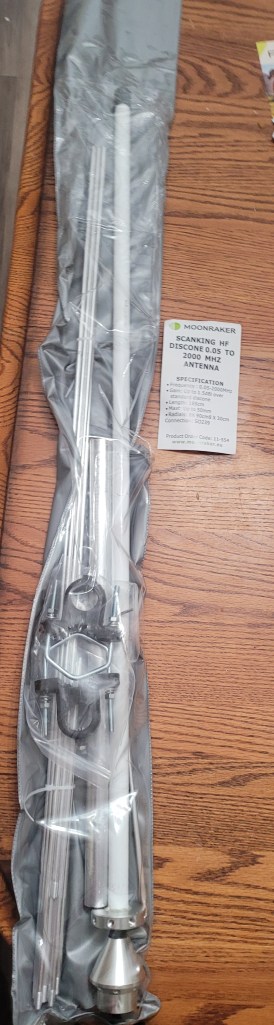
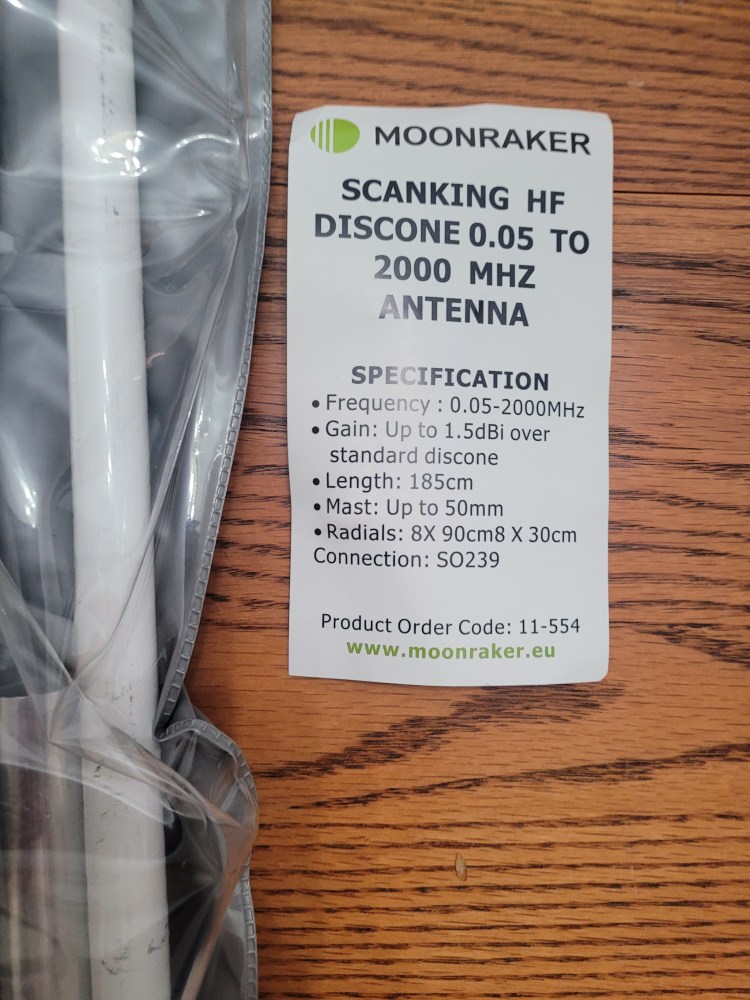
Just a quick one here folks / antenna A is the DXE-RF-PRO-1B from DX Engineeringgood stuff! / antenna B – A Random Wire / And antenna C is the Scanking HF Discone 0.05 To 2000 MHz Antenna from Nevada Radio (UK)

The antennas vary widely in cost and mounting practices – and there are performance differences – this post is simply to show a quick look at all three – performance wise with the same signal / same radio / same time – a snapshot so to speak.

The difficult part about testing different antennas is having to disconnect and connect coax over and over to change antennas – SDRUNO makes it as simple as the click of the mouse.

Three antennas and the capability to compare them side by side through the software switching in SDRUNO – Having Fun NOW!

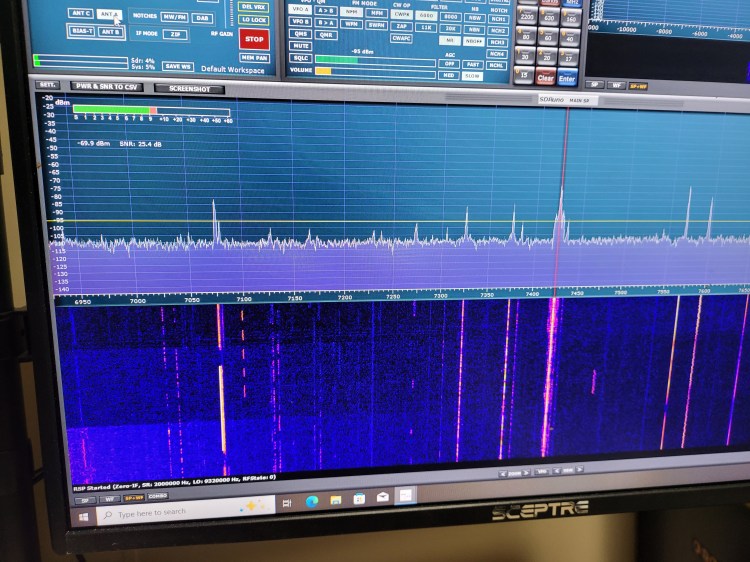
These are all at 7.425mhz – 1015 UCT ( 5:15 am CDST / 02AUG25 ) in Sioux Falls SD

The loop – @25.4 SNR ( oriented map east to west )

The random wire – @23.1SNR ( oriented app. 100 degrees to 280 degrees axis )

And the discone – @25.9SNR – ( it’s omnidirectional )

The interesting difference is the noise floor – at this moment – with these conditions – at this frequency – variables really make this stuff fun – LOL! – the comparison testing is going to be a hoot! The obvious out of the box winner – “Bang For the Buck” – is the random wire. A simple 10 meters of wire strung out to the shed – done as right as it could be . . .

I have read several reviews on the discone -some folks knocking it for being somewhat deaf on HF ( 500khz to 30mhz ) – however I’m finding it performs in a decent fashion for me – remember variables – location ( in your yard/garden as well as geographic location – where in the world YOU are ) / mounting height / frequency / conditions and so on – and on – and on . . .

I will do three quick posts detailing each antenna and how they are installed and then try to do a few more comparisons showing the differences between them.

Bruce – What is this SNR thing you speak of?Simply put Signal to Noise Ratio is the percentage of signal strength over the noise floor – noise floor is the background noise at any given frequency and consists of a combination of two things – natural noise and man made noise – and yes there are acronyms for both.

If you are interested in taking a trip down that particular rabbit hole <<Click Here>> and take a trip through Q Codes compliments of WIKI. and if you do go down the rabbit hole – say Howdy to Alice for meAnd you can CLICK HERE to watch the whole movie . . .

Have Fun! – Run the Gun! – and remember – Fish Heads are Cheap!!

More Radio Stuff & Friday Music on Tuesday??

So once again – if something can be screwed up – it will be . . .

Busy times, so I scheduled several posting to drop – don’t know for sure how I screwed up – but I managed to do it – OOPS . . .

Now onto some radio stuff . . .

The loop antenna and the wire antenna both perform beyond my expectations – but – They are both all done doing what they do when you get above 30mhz – so I picked this up from Nevada Radio . . .

I had to pay about 50 bucks for shipping – worth every penny – ordered zero dark thirty on a Monday morning – it was sitting on my porch Thursday afternoon ( not Tuesday afternoon – LOL! ) Incredible service from Nevada Radio!

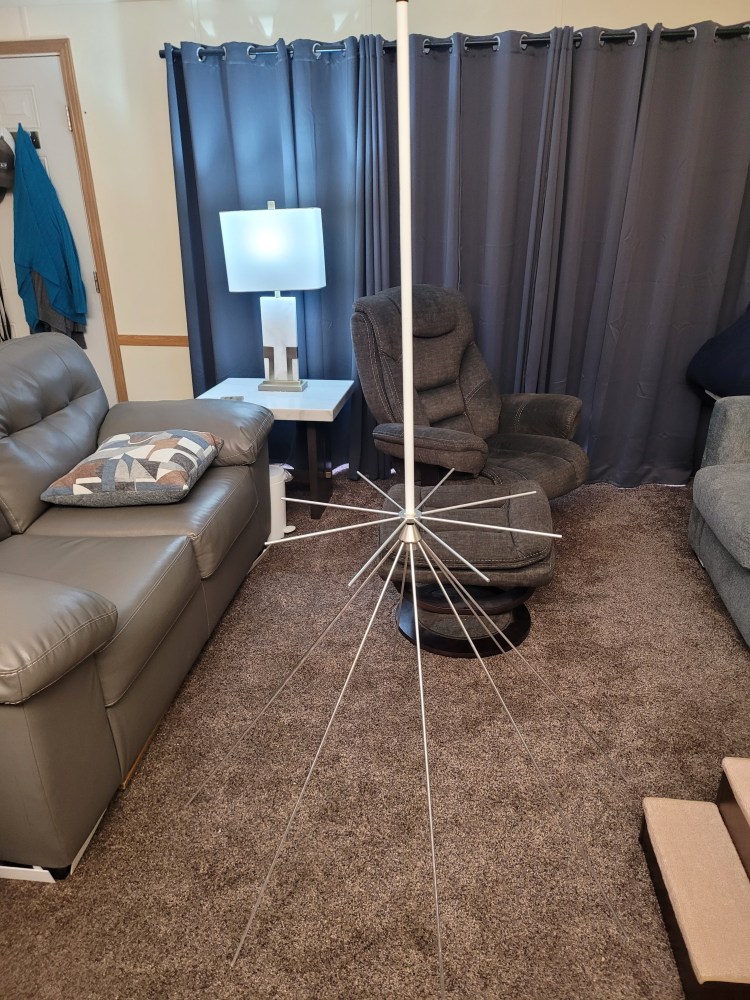
One of the negatives mentioned in reviews – the radials come loose after time – most radio geeks are not mechanics per se – people say use lock nuts and or thread lock – how about tighten the damn things down!

The only fidgety part is getting the first “down” radial started – the threads are very well done – you have to have just the right angle – don’t cross thread as that would not end well – unlike a lot of the others Scanking uses solid radials – not foam filled hollow tubes held in with set screws – this is a precision built antenna – good stuff!

Ready to go outside and get install-ated – YAY!

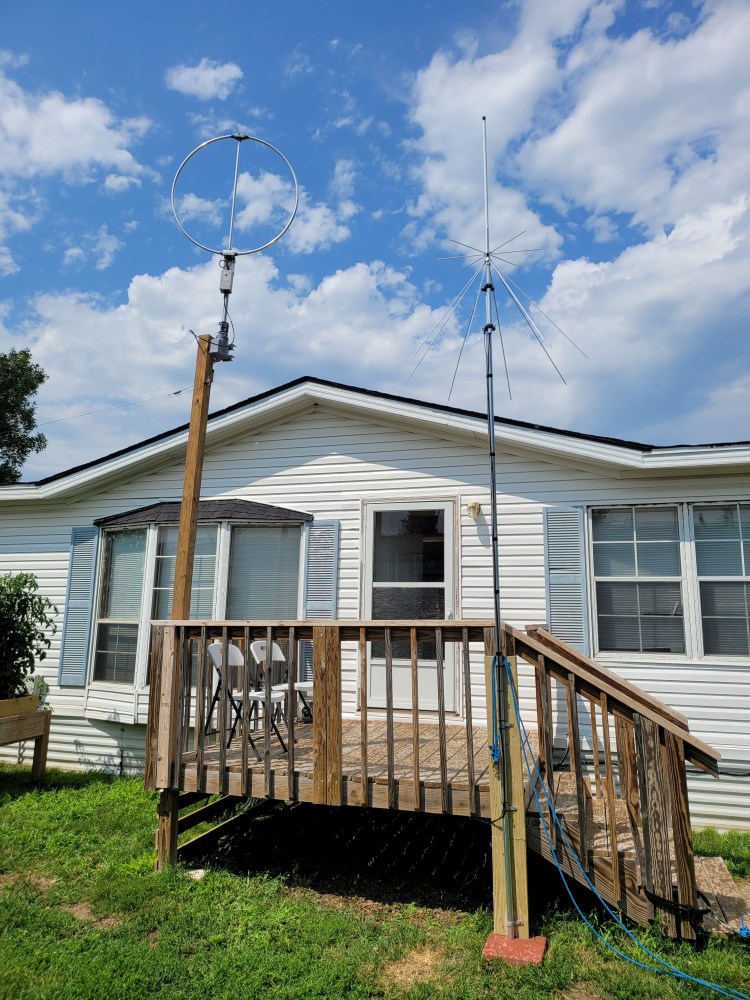
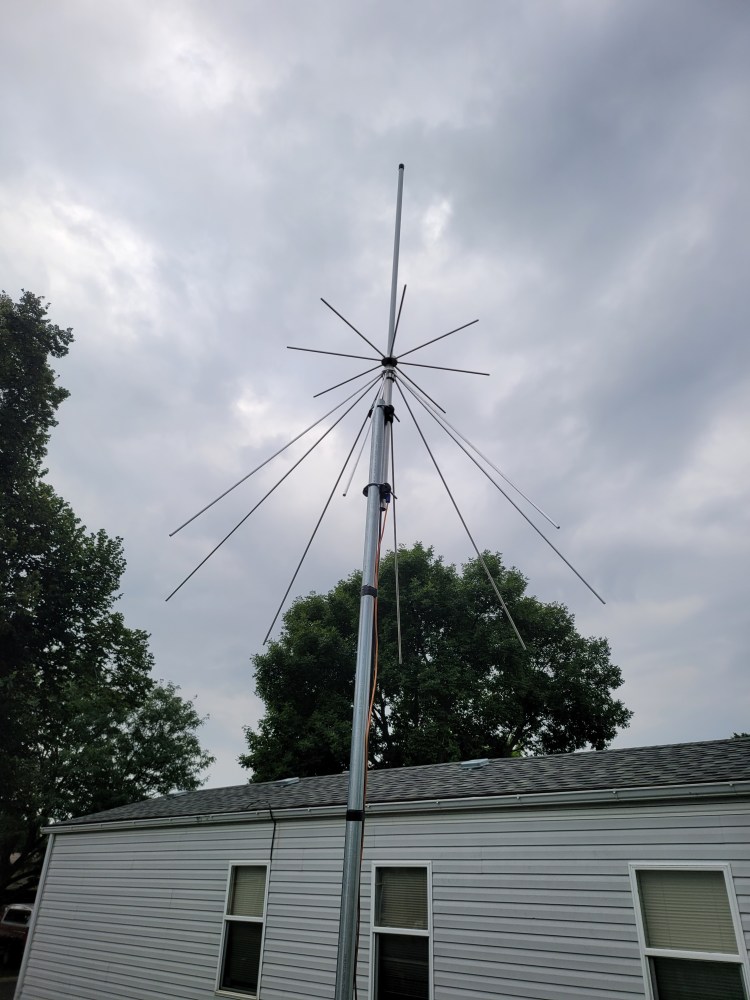
Really straight forward – flat board to clamp to – a little concrete pad for the weight to settle on – pretty much done!

I just thought I got some strange looks from folks with just the loop! – LOL!

A couple of pieces of chain link fence top rail – about 4 hours of labor total – ran a #6 ground from the top of the mast to the ground rod – no real provision to ground the “negative” side of the antenna – bundled the coax with the rest and into the entry box – in-line coaxial lightning Arrester/Supressor and into the radio room . . .

Add any more antennas gonna have to put another entry box up – <VBFG> – LOL!

And it works!

And a quick video of Foss field ATC – prior to adding this antenna the only way to hear it – and poorly I might add – was outside with a portable . . .

I get like 6 or 7 NOAA weather broadcast stations – from Huron SD to halfway across Minnesota – my available listening time slots and weather satellite pass times have not overlapped as yet – so I don’t know about that yet . . .

500khz to 30mhz? A lot of the comments about it states that the discone is a little deaf in that frequency range – for the most part I’m finding it performs right in line with the wire antenna – of course neither performs quite as good as the loop with the LNA . . .

One advantage the discone has is vertical receive orientation on lower frequencies – the white fiberglass part sticking out the top – signal strength may be a little less – but the noise floor is reduced significantly – you end up with a better signal to noise ratio (SNR) overall – which is a good thing.

Remember folks – everything you are doing with all this radio “stuff” is a compromise – either physical space limitations – money limitations – or both. Without those limits? Things “can” get a little out of hand – here is one of the best examples of no concerns over money/space conundrum I know of <<Click Here>> – glorious isn’t it? And <<Click Here>> to get an idea of the scale of the discone at the Titan 2 site . . .

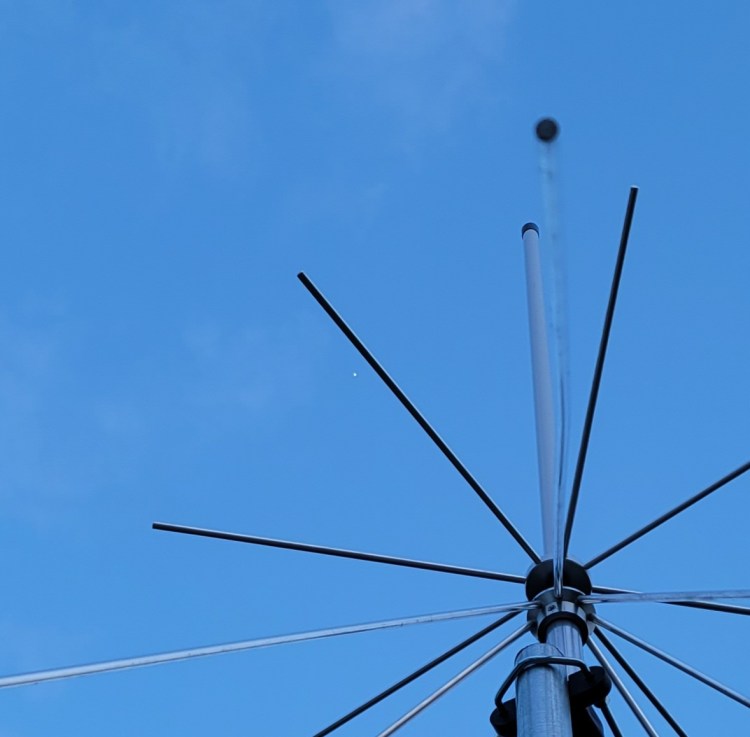
The tiny white dot is a balloon at about 65 thousand feet seen through the discone early one morning . . .

So we’re heading straight into the bottom line of this post – two things for you . . .

#1 – The Scanking discone 500khz to 2000mhz is overall a good to very good antenna – very well made – not a lot of space needed to put it up – a lot of folks just don’t have a “spot” to put up a random wire antenna and they sure don’t want to spend the money for a loop– easy to assemble – once you get the first downward radial in place just match the angle on the others – if you want the lower frequency coverage – down to 500khz – like I wanted – it’s a really good choice . . .

#2 – I still don’t understand all I don’t know about WordPress – LMAO!

Have Fun! – Run the Gun! – and remember – Fish Heads are Cheap!!
Friday Music ( sorta ) – Christmas in July

Depending on your BSA council – Christmas in July was celebrated either the 1st or 2nd week after the week of the 4th. It was a fun week for all – decorating campsites – of course that was a contest – “Santa” showing up in shorts and a t-shirt at the Friday night campfire – real and gag gifts – “Good Times” were had by all!

Is Christmas in July even a thing anymore or is it now politically incorrect?

Here’s Gene Autry – a “Silver Screen” cowboy for you – and if you haven’t seen this movie – what rock have you been living under?

So . . . is THIS politically correct – or politically incorrect?

And here’s Doris Day – Walking in women’s underwear ( we hope! ) – LOL!

And it’s really hard to find a cover of this that was not a success by whomsoever . . .

And of course – the author himself – The Velvet Fog – Mel Torme . . .

Have Fun! – Run the Gun! – and remember – Fish Heads are Cheap!!